all day
N/A

Explore the profession, compare educational pathways, learn about career possibilities, and review program outcomes and accreditation information.
Explore Program Options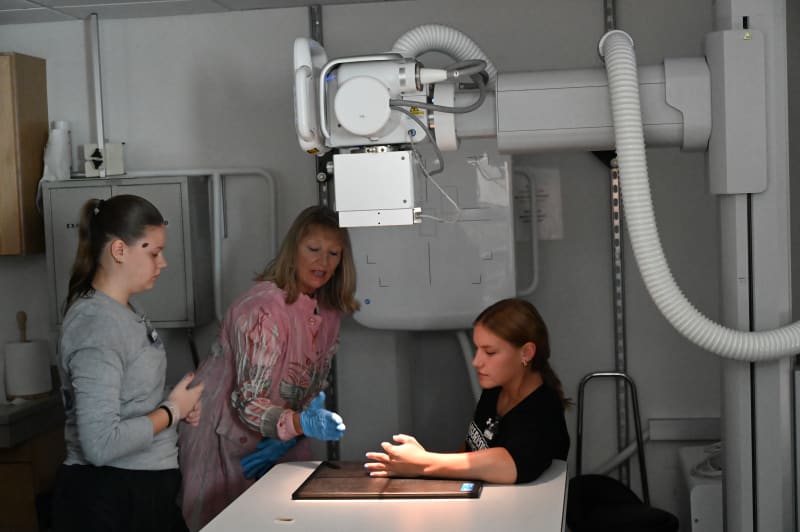
Understanding the Profession
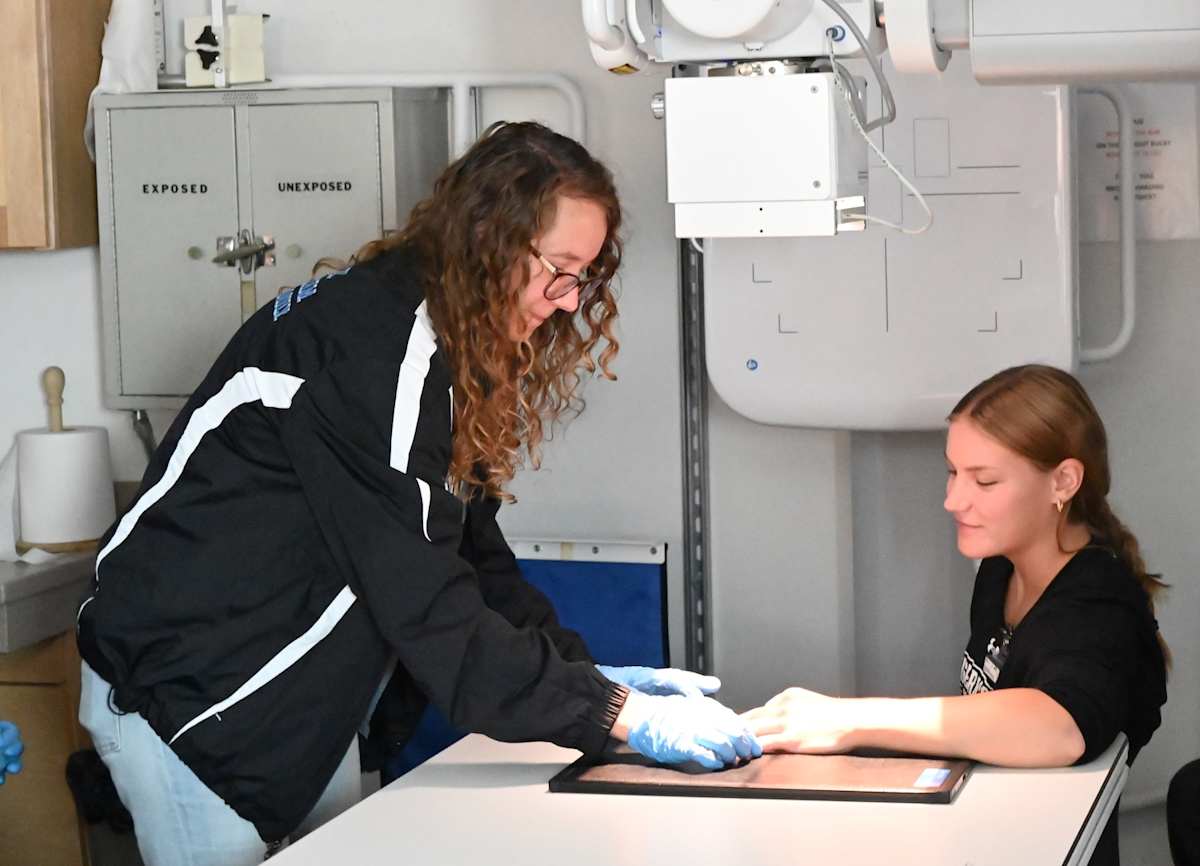
Students in the Medical Imaging Program receive a liberal arts education that will prepare them for a career in the field of medical imaging, namely, the practical application of ionizing radiation in a variety of settings, including off-campus clinical placements as well as laboratory facilities on-campus.
Explore Your Options
Misericordia offers a flexible general Medical Imaging curriculum as well as a combined pathway for students interested in completing both the Medical Imaging degree and a Diagnostic Medical Sonography certificate.
Hear from the Department
Hear Misericordia faculty discuss the profession, the educational experience, and the opportunities available to Medical Imaging graduates.
Additional Program Information
Explore career opportunities and compare Medical Imaging with Diagnostic Medical Sonography.
A foundation in radiography can lead to opportunities across diagnostic imaging, advanced modalities, treatment, healthcare leadership, education, and industry. Professionals may pursue additional education or credentials as their interests and career goals develop.
Both professions require individuals to be properly educated, detail oriented, and have a desire to work in a direct patient care field. Each of the two fields produce diagnostic images that are interpreted by a qualified physician to assist the patient in acquiring an accurate diagnosis.
Radiographer
Radiologic Technologist
Sonographer
Ultrasound Technologist
Diagnostic radiographic images, Computed Tomography, Mammography, Cardiac Catheterization, Special Procedures and Bone Densitometry images are produced utilizing ionizing radiation. The images may evaluate bony anatomy and/or internal organs.
Magnetic Resonance Imaging utilizes a magnetic field and radiofrequency pulses to produce diagnostic images.
Radiation Therapy employs radiation to treat malignancies of many parts of the body.
Radiographers and individuals credentialed in specialty areas are responsible for acquiring quality images or administering treatment with great attention to radiation protection practices for the patient and the public.
Sonography images from the unborn to the geriatric; head to toe using high frequency sound waves to produce images of internal anatomical structures.
Sonographers are responsible for performing the examination, optimizing image quality, assessing the image, and generating a worksheet to describe the examination findings to assist the interpreting physician in making the final diagnosis and report.
Medical Imaging professionals have many employment opportunities that include:
Sonography specialties and areas in which sonographers can be employed include, but are not limited to:
ASRT – www.asrt.org
ARRT – www.arrt.org
Joint Review Committee on Education in Radiologic Technology (JRCERT)
Commission on Accreditation of Allied Health Education Programs (CAAHEP) through the Joint Review Committee on Education in Diagnostic Medical Sonography (JRCDMS)


